
Expert Bladder Stone Treatment In Delhi With Trusted Urology Support
Bladder stones are hard mineral deposits that form inside the urinary bladder when urine becomes concentrated or does not empty properly. They can cause lower abdominal pain, burning urination, frequent urination, blood in urine and difficulty passing urine. At Bansal Hospital, we provide advanced bladder stone treatment in Delhi with accurate diagnosis and experienced urology care.
Our specialists evaluate the size, number, location and cause of bladder stones before recommending the most suitable treatment. Depending on the patient’s condition, treatment may include medication, endoscopic stone removal, laser bladder stone treatment or minimally invasive procedures to remove stones safely and effectively.
Frequent urination, weak urine flow, burning urine, blood in urine or lower abdominal pain should not be ignored, as bladder stones may cause infection or urinary blockage.

Expert Urology Care
Advanced Bladder Stone Treatment
What Are Bladder Stones?
Bladder stones are solid masses of minerals that develop in the urinary bladder. They often form when the bladder does not empty completely, allowing urine to become concentrated and minerals to crystallize.
Incomplete Bladder Emptying
When urine remains in the bladder for too long, minerals may collect and form stones over time.
Prostate Enlargement
In men, an enlarged prostate may block urine flow and increase the risk of bladder stone formation.
Urinary Infection
Recurrent urinary tract infections and bladder irritation may contribute to stone formation and discomfort.
Signs You May Need Bladder Stone Treatment
Bladder stone symptoms may affect urination and daily comfort. Timely diagnosis helps prevent infection, blockage and repeated urinary problems.
Get Help For Bladder Stone Symptoms
Burning urine, weak flow, blood in urine or lower abdominal pain should not be ignored. Connect with Bansal Hospital for timely care.
Our Approach To Bladder Stone Treatment In Delhi
Treatment is planned after detailed evaluation of stone size, bladder function, urinary flow, infection status and underlying causes such as prostate enlargement or incomplete bladder emptying.
Accurate Diagnosis
Urine tests, imaging and clinical evaluation help confirm stone size, number and bladder condition.
Cause Evaluation
We identify underlying causes like urine retention, infection or prostate-related blockage.
Laser Stone Treatment
Laser-assisted techniques may be used to break bladder stones into smaller pieces for removal.
Endoscopic Removal
Minimally invasive endoscopic procedures help remove stones without major cuts in suitable cases.
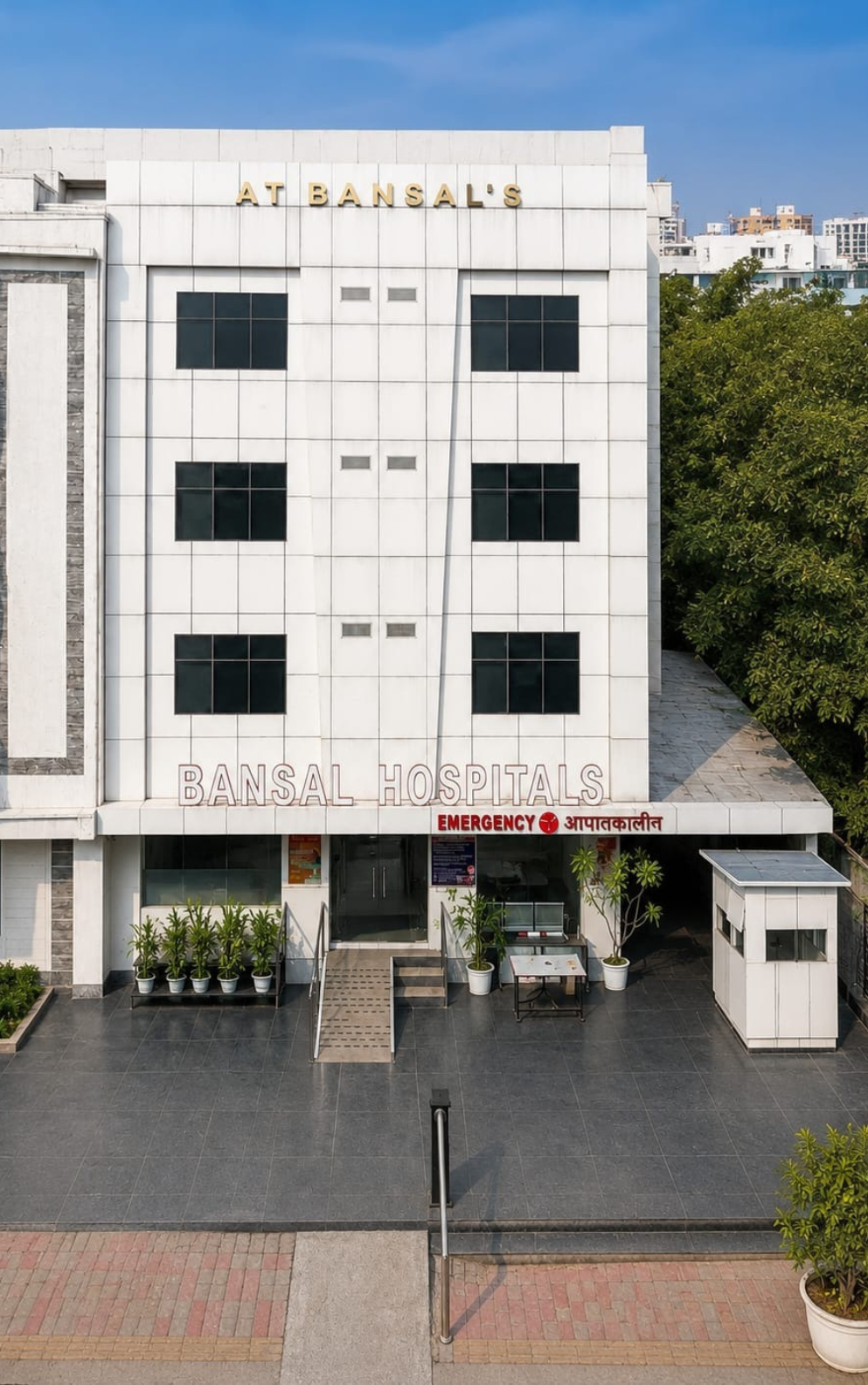
Why Choose Bansal Hospital For Bladder Stone Treatment?
Bansal Hospital provides trusted urology care for bladder stones with advanced diagnostic support, modern treatment options and personalized medical guidance. Our focus is to relieve symptoms, remove stones safely and treat the underlying cause to reduce future complications.
Experienced Urology Specialists
Expert consultation for bladder stones, urinary symptoms, prostate-related concerns and recurrent infections.
Advanced Diagnostic Facilities
CT Scan, Digital X-Ray, ECG, blood tests and pathology support available under one roof.
Minimally Invasive Treatment
Endoscopic and laser-assisted options designed for safe, precise and comfortable stone removal.
24x7 Emergency Support
Timely medical support for severe urinary pain, blockage, fever or infection-related symptoms.
Step-By-Step Bladder Stone Treatment Procedure
Our bladder stone treatment process is designed to diagnose the problem, treat the stone safely and manage the underlying cause for better long-term relief.
Urologist Consultation
The doctor reviews urinary symptoms, pain, medical history and any previous stone or prostate-related issues.
Tests & Imaging
Urine tests, blood tests, ultrasound or CT scan may be advised to confirm bladder stones and related conditions.
Treatment Planning
Treatment is planned according to stone size, bladder health, urine flow and underlying causes.
Stone Removal & Follow-Up
Stone removal is performed with proper recovery advice, follow-up care and prevention guidance.
Frequently Asked Questions About Bladder Stone Treatment
Here are common questions patients ask before consulting a urologist for bladder stones, urinary symptoms or laser treatment.